 13
Apr 2026
13
Apr 2026
Plumbing in Older Homes: 5 Common Issues in GTA Century Houses
If you live in or are looking to buy an older home in Toronto, the charm comes with a catch: plumbing problems. Beneath the hardwood floors and vintage trim, century homes often hide aging pipes, outdated materials, and systems that haven’t kept up with modern demands. Plumbing in these homes is rarely straightforward. Repairs can be complex, surprises are common, and DIY fixes can make things worse.
Here are five of the most common problems with old house plumbing in the Greater Toronto Area, and why the right repair approach matters.
Common Plumbing Problems in Old GTA Homes
Pipe Corrosion and Deterioration
Many century homes in the GTA still contain galvanized steel or cast iron pipes. These materials were once standard but are now well past their expected lifespan. Over time, they corrode from the inside out. This leads to restricted water flow, discoloured water, and increased risk of leaks.
In advanced stages, pipe corrosion weakens the structure of the plumbing. Pipes can burst, causing water damage and potential contamination of drinking water. If you notice rust-coloured water or a sudden drop in water pressure, your pipes may be deteriorating.
Outdated Plumbing Materials
Lead and galvanized steel were common materials in homes built before the 1960s. Lead piping, in particular, poses a significant health risk, especially in drinking water supply lines. Even if a home was partially updated, small sections of lead pipe might still be in use without the homeowner realizing it.
Replacing these old materials with modern, code-compliant options like copper or PEX piping is not just a safety upgrade; it’s a necessary one. Licensed plumbers can assess which parts of the system are outdated and develop a plan to update them without tearing apart your entire home.
It’s worth noting that insurance providers may also factor outdated plumbing into policy rates or deny coverage after a flood if the home’s plumbing hasn’t been properly maintained or upgraded. Keeping documentation of upgrades and inspections can help with future resale value and insurance claims.
Poor Drainage and Clogged Sewer Lines
Old drainage systems were not built to handle today’s wastewater volume, and after decades underground, they’re often compromised by tree roots, shifting soil, and general wear. Sewer lines made from clay or concrete can crack or collapse, leading to recurring clogs.
Signs include slow drains throughout the home, frequent backups, and foul odours coming from sinks or floor drains. These issues may point to a larger problem in the main sewer line. DIY drain cleaning is risky in these systems; aggressive tools or chemicals can cause permanent damage.
In some cases, camera inspections can reveal the exact source of the blockage, whether it’s debris, root intrusion, or pipe collapse. This allows professionals to target the repair with minimal disruption.
Lack of Proper Water Pressure
If your taps barely trickle or your shower is underwhelming, it could be more than a simple nuisance. Poor water pressure is a common issue in old house plumbing and often results from mineral buildup in aging pipes or pipes that were too small to begin with.
Low pressure may also indicate leaks, corroded interiors, or other deeper issues. Before assuming it’s just old plumbing acting up, a professional diagnosis is essential. Catching the root cause early can help avoid larger, more expensive plumbing repairs down the line.
Hidden Leaks and Water Damage
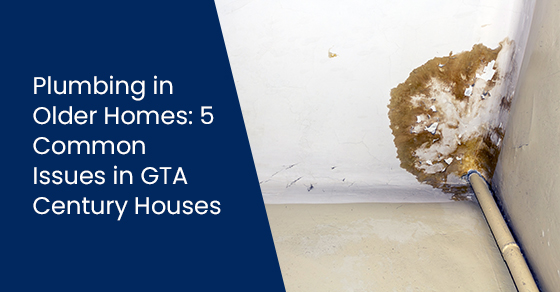
Older homes are notorious for concealing water damage. Pipes hidden behind walls or under flooring may develop small leaks that go unnoticed for months. By the time a stain appears on a ceiling or a musty smell develops, the damage is already extensive.
Left unchecked, hidden leaks can lead to mould growth, rotting wood, and structural weakening. Regular plumbing inspections help uncover these problems before they spiral into major repairs.
Why DIY Repairs Can Be Dangerous in Older Homes
Fixing plumbing in older homes isn’t like swapping out a faucet in a condo. Fragile systems don’t always respond well to modern parts, and even minor work can create ripple effects throughout the home. A poorly executed repair can turn a small leak into a flooded basement or lead to unintended code violations.
Replacing a corroded joint, for example, might put pressure on other aging parts of the system and cause a failure elsewhere. That’s why plumbing repair in these homes should be handled by professionals who understand older systems and how to safely modernize them.
Protecting Your Home with Professional Plumbing Repair
Proactive plumbing inspections are the best way to prevent emergencies in older homes. Catching issues like pipe corrosion, material degradation, or drainage problems early can save thousands in repairs and water damage.
Professional plumbers with experience in old house plumbing can assess the condition of your system, recommend appropriate repairs, and ensure all work meets current codes. Whether it’s updating lead pipes or improving water pressure, expert repairs help extend the life of your home’s plumbing and protect your investment.
Homeowners considering renovations or additions should also prioritize a plumbing evaluation before construction begins. Older systems may not meet modern demands and could limit future upgrades. A plumbing inspection during planning stages helps ensure your home can support your renovation goals.
Get Expert Help with Old House Plumbing in Toronto
Living in an older home doesn’t have to mean living with plumbing problems. From pipe corrosion to hidden leaks, Brothers Plumbing has the experience to restore your system and protect your investment. Old house plumbing repairs require the right tools, training, and insight, not guesswork.
Reach out to Brothers Plumbing today at 647-247-2230, email us at info@brothersplumbing.ca or click here to get in touch online.