 03
Mar 2026
03
Mar 2026
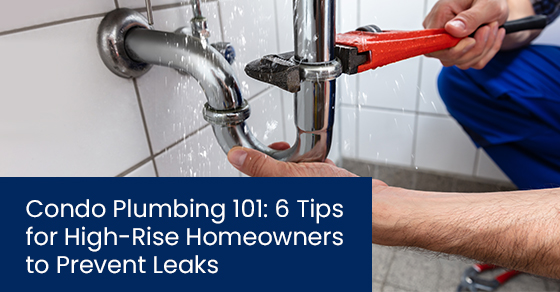
Condo Plumbing 101: 6 Tips for High-Rise Homeowners to Prevent Leaks
High-rise condo living comes with plenty of perks: security, skyline views, and shared amenities. But when plumbing problems strike, the stakes are higher than most homeowners expect. Water leaks in condos don’t just affect one unit: they can lead to damage across multiple floors, trigger insurance claims, and result in extensive repairs.
At Brothers Plumbing, we understand the unique challenges of condo plumbing. Here are six smart tips to help you prevent leaks, minimize risk, and protect your home from unnecessary water damage.
1. Know Your Unit’s Shut-Off Valves
Every condo unit has shut-off valves that control the water flow to sinks, toilets, and appliances. In an emergency, knowing how to quickly turn these off can mean the difference between a damp towel and thousands of dollars in water damage.
Find out where your valves are located: typically under sinks, behind toilets, or in laundry closets. Ensure everyone in your household knows how to operate them. For complete protection, ask your building superintendent or a licensed plumber to show you the main shut-off for your unit.
If you ever plan to renovate, make sure your contractor knows where all shut-offs are located. They should be tested before construction begins to avoid accidental flooding during the work.
2. Schedule Regular Leak Inspections
Not all leaks are obvious. A tiny crack in a pipe or a loose fitting can quietly leak water for weeks before the damage becomes visible. That’s why regular inspections are key.
Hire a professional plumber to inspect your plumbing annually, especially in older high-rise buildings. Watch for signs of hidden leaks, including:
- Discoloured or warped drywall
- Musty or damp smells
- A sudden spike in your water bill
Leak detection tools can also help identify issues early, before water finds its way into a neighbour’s unit.
You might also consider installing smart leak detectors in areas prone to moisture, such as under sinks and near appliances. These devices send alerts to your phone the moment they detect unusual moisture levels, allowing you to act fast.
3. Replace Old Hoses and Connectors
Appliances like dishwashers and washing machines are common culprits when it comes to water damage in condos. Over time, their rubber hoses degrade and can burst without warning.
Prevent this by replacing rubber hoses with stainless steel braided alternatives. These are more durable, longer-lasting, and less likely to rupture. It’s a small investment that can help you avoid a big disaster.
Regularly check appliance connections for moisture, corrosion, or bulging. These are signs that replacement is needed, even if a leak hasn’t started yet. If you’re unsure about the condition of your connectors, have a plumber take a look.
4. Monitor Water Pressure in Your Unit
High water pressure may seem harmless, but it puts extra strain on your pipes, faucets, and appliances. Over time, this pressure can weaken joints and cause leaks.
The ideal water pressure for a condo unit is typically between 40 and 60 psi. If you’re experiencing banging pipes, leaky fixtures, or rapid appliance wear, ask a plumber to measure your water pressure. Installing a pressure-reducing valve may be necessary to protect your plumbing.
5. Don’t Ignore Drips or Small Leaks
It might be tempting to overlook a slow-dripping faucet or a small puddle under the sink. But minor leaks rarely stay that way.
Small leaks can lead to mould growth, structural damage, and even impact your neighbour’s unit. If you notice any leak, no matter how minor, take action immediately. Contact a licensed plumber to assess and repair the issue before it worsens.
Even a minor drip can add up to hundreds of litres of wasted water each month. And in high-rise buildings, water has gravity on its side; what leaks from your unit could end up soaking ceilings, walls, and flooring below.
6. Work With Your Condo Board or Property Manager
One of the challenges of high-rise plumbing is that many systems are shared. Pipes often run vertically through multiple units, and issues in one can quickly impact others.
Keep an open line of communication with your property manager or condo board. Notify them of any suspected leaks or unusual plumbing issues. Be proactive in asking about routine maintenance for shared systems and what responsibilities fall to individual unit owners.
It’s also a good idea to attend annual general meetings and review the condo’s maintenance schedule. The more informed you are, the better prepared you’ll be if something goes wrong.
Why High-Rise Plumbing Requires Specialized Expertise
Condo plumbing systems are significantly more complex than those in detached homes. Instead of single-floor systems, high-rises use vertical stacks to manage waste and water flow across dozens of units.
Plumbing professionals working in condos must be familiar with:
- Pressure balancing across multiple floors
- Shared drain systems
- Fire-rated plumbing enclosures
Choosing plumbers with experience in high-rise plumbing ensures that any work is completed in compliance with building codes and minimizes disruption to other residents. Brothers Plumbing brings decades of expertise to high-rise buildings across Toronto.
The Cost of Ignoring Condo Plumbing Maintenance
When condo owners neglect preventive maintenance, the consequences can be serious:
- Water damage affecting multiple units
- Mould infestations and poor indoor air quality
- Insurance disputes and denied claims
- Increased repair costs due to compounded damage
Imagine a slow drip behind your washing machine that goes unnoticed. By the time water stains appear, it may have already damaged the walls of the unit below, sparking legal and insurance complications. A simple inspection could have prevented it.
Ignoring small plumbing issues can lead to higher deductibles, costly renovations, and major frustration. The best defence is a proactive strategy.
Prevent Plumbing Problems Before They Start
To protect your high-rise home, it’s important to stay proactive with condo plumbing maintenance. From early leak detection to pressure checks, these simple steps can save you from the devastation of water damage.
Reach out to Brothers Plumbing today at 647-247-2230, email us at info@brothersplumbing.ca or click here to get in touch online.