 13
Jan 2026
13
Jan 2026
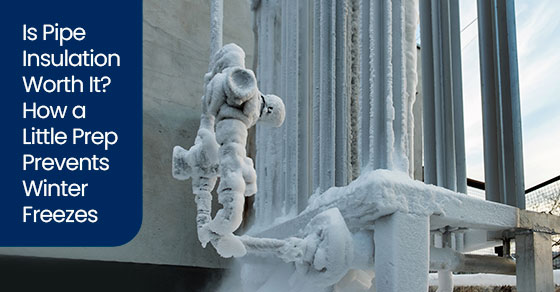
Is Pipe Insulation Worth It? How a Little Prep Prevents Winter Freezes
When temperatures dip in Toronto, frozen pipes can quickly become one of the most damaging and stressful problems a homeowner faces. What starts as a cold snap can end in burst plumbing, flooding, and thousands of dollars in repairs. For homeowners looking to avoid winter disasters, pipe insulation is a simple, low-cost preventive measure that pays off.
This blog explores how pipe insulation works, why it matters, and how a bit of prep now can save major headaches later.
Understanding Pipe Insulation: Your First Defense Against Frozen Pipes
Pipe insulation is a key line of defence against winter plumbing damage. It works by covering pipes with a thermal barrier that traps heat and blocks out freezing air. Most residential insulation comes in the form of foam sleeves, fibreglass wrap, or flexible rubber tubing.
By keeping water inside the pipes above freezing temperatures, insulation helps prevent blockages, cracks, and bursts. This is especially important in areas that are more vulnerable to the cold, like basements, crawl spaces, garages, and any piping located along exterior walls.
Beyond freeze protection, insulation also helps improve energy efficiency by reducing heat loss in hot water pipes, making it a smart upgrade all year long.
How Frozen Pipes Happen in Winter
When the temperature drops below zero, any exposed or unprotected plumbing is at risk. Water expands as it freezes, creating pressure inside the pipe. That pressure has nowhere to go—so the pipe splits. Even a small crack can release hundreds of litres of water in a matter of minutes.
Pipes near exterior walls, in unheated spaces, or inside drafty areas are most susceptible. Cold air entering through foundation cracks or poorly sealed windows can create cold zones around your plumbing, even in a heated home. Once ice starts forming, it can block flow entirely or lead to rupture.
Common Signs Your Pipes May Freeze
There are often subtle warning signs that a pipe may be on the verge of freezing. A sudden drop in water pressure, frost forming on exposed plumbing, or odd noises like gurgling or banging can all be early indicators of trouble.
Noticing these symptoms in time can give you the chance to act before a frozen pipe turns into a burst one, potentially saving you from costly damage.
Types of Pipe Insulation Available
There’s no one-size-fits-all solution for pipe insulation. Depending on the layout of your home and your level of comfort with DIY projects, some materials may be more appropriate than others:
- Foam sleeves: Easy to cut and install, ideal for most indoor residential plumbing
- Fibreglass wrap: Offers high heat resistance, but may require gloves and more careful handling
- Rubber insulation: Flexible and durable, often used in tight spaces or around bends
- Heat tape: Electrically powered and installed directly on pipes, useful in extreme conditions or high-risk areas
Most homeowners can install foam sleeves on exposed pipes themselves. For more complicated setups or older plumbing systems, it’s best to work with a professional.
When and Where to Install Pipe Insulation
The ideal time to install pipe insulation is before the first frost. Late fall in Toronto is perfect for inspecting your plumbing and addressing any vulnerable spots.
When deciding where to install pipe insulation, start by prioritizing the areas most vulnerable to the cold. Pipes in unfinished basements and crawl spaces are often exposed to outside temperatures and are at high risk of freezing.
Similarly, plumbing that runs through unheated garages or attics is susceptible to drafts and lacks surrounding insulation. Pipes located along exterior walls, particularly in kitchens or bathrooms, can be affected by wind chill or poor wall insulation.
Even the under-sink areas near outside walls can become cold enough during winter nights to cause freezing. A full home inspection can help identify these weak spots, especially in older houses where insulation might be missing, outdated, or deteriorated.
Spotting these problem areas early gives you the best chance of keeping your plumbing safe through the winter.
Cost vs. Consequences: The Value of Insulating Pipes
Pipe insulation is inexpensive, especially when compared to the cost of frozen pipe repairs. Foam tubing can cost just a few dollars per metre, and most homes require only a modest amount of material.
In contrast, a burst pipe can lead to:
- Structural damage
- Mould and mildew growth
- Insurance claims and increased premiums
- Emergency plumbing service fees
Add in the stress and inconvenience, and the value of pipe insulation becomes clear. A small investment in prevention can save thousands.
How Toronto Winters Make Pipe Insulation a Must
Toronto winters are known for their unpredictability and deep freezes. Temperatures can swing rapidly, and extended cold snaps are common. Add in the city’s mix of aging housing stock, and the risk of frozen pipes becomes a serious concern.
Older homes often lack adequate insulation or have exposed plumbing in poorly heated areas. Even newer builds can have vulnerabilities, especially in garages or additions. Local building codes have improved, but they don’t always cover every risk. That’s where pipe insulation comes in.
Prevent Frozen Pipes This Winter with Pipe Insulation
Insulating your pipes before winter hits is one of the easiest ways to avoid the cost, mess, and disruption of a frozen plumbing emergency. If you’re unsure where to start, we can help.
At Brothers Plumbing, we offer pipe insulation solutions tailored to the unique demands of Toronto homes. Whether it’s a cold crawlspace, exposed piping in an older house, or hard-to-reach spots behind walls, we know where to look and how to get it done right.
With over 50 years of experience, we’ve helped homeowners across the GTA protect their properties from cold-weather plumbing failures. From seasonal inspections to full-service repairs, we focus on reliable, cost-effective work that keeps your plumbing in top shape year-round.
Reach out to Brothers Plumbing today at 647-247-2230 or click here to get in touch online.
FAQ: Pipe Insulation and Winter Plumbing
What temperature do pipes freeze at?
Pipes start to freeze around 0°C (32°F), especially when located in unheated or poorly insulated spaces.
Can I install pipe insulation myself?
Yes, many types like foam sleeves are simple to install. Just make sure they fit tightly and cover the full length of exposed pipe.
Is pipe insulation needed in a heated home?
Yes. Pipes in attics, crawl spaces, garages, or exterior walls may still freeze if exposed to drafts or insufficient heat.
How long does pipe insulation last?
Most insulation materials last several years. Inspect annually for signs of wear or damage, especially before winter.
Does insurance cover frozen pipe damage?
Some policies do, but you may be required to show that precautions were taken. Insulating pipes is a smart way to help maintain coverage.